SpaceSpin Home

Category

Astronomy

18 articles

Nothing Stays Dead in Space: How 'Gone' Galaxies Are Secretly Building New Stars

Nothing Stays Dead in Space: How 'Gone' Galaxies Are Secretly Building New Stars

Galaxies that astronomers once wrote off as cosmic graveyards are turning out to be something far more interesting. Recent observations reveal that so-called dead galaxies can trigger spectacular bursts of star formation — and the universe's recycling game is a lot more sophisticated than we ever imagined.

When Stars Collide: The Explosive Secrets Hidden Inside Binary Star Crashes

When Stars Collide: The Explosive Secrets Hidden Inside Binary Star Crashes

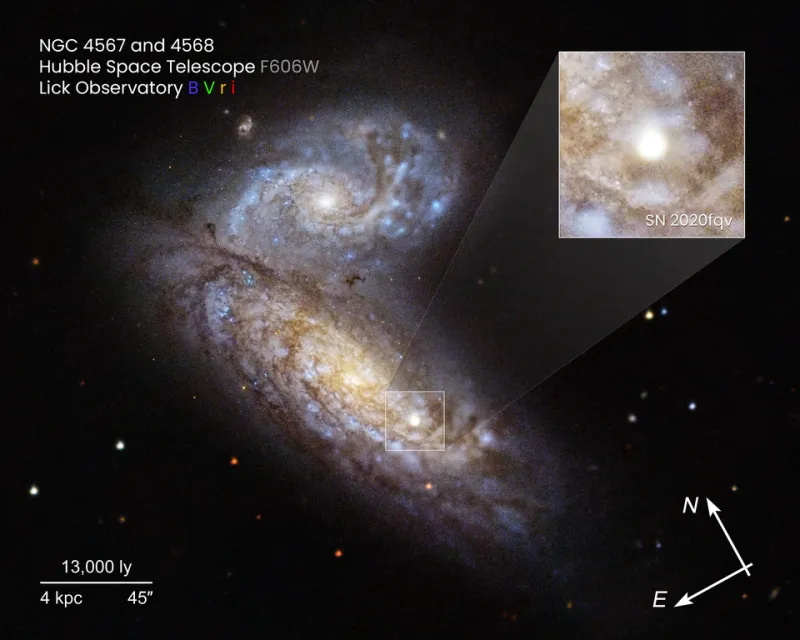
Some of the universe's most violent explosions don't come from lone stars going out in a blaze of glory — they come from pairs of stars locked in a deadly gravitational dance. When binary stars spiral together and collide, the resulting detonations forge heavy elements and reshape entire galaxies. Here's how astronomers are learning to read the spin of dying stars like a cosmic warning system.

Caught Napping: The Stars That Spin So Slowly Scientists Can't Explain It

Caught Napping: The Stars That Spin So Slowly Scientists Can't Explain It

The cosmos is full of objects spinning at mind-bending speeds, but a surprising number of stars are doing the cosmic equivalent of a lazy Sunday morning. Scientists are digging into why some stellar objects rotate at a glacial pace — and what those sluggish spins reveal about the wild, violent lives these stars have lived.

From Hydrogen to Gold: Inside the Stellar Furnaces That Built the Universe

From Hydrogen to Gold: Inside the Stellar Furnaces That Built the Universe

Stars aren't just pretty lights in the night sky — they're the universe's original factories, churning out every heavy element that makes up planets, people, and pretty much everything else. The recipe depends entirely on the star doing the cooking. Here's how the whole extraordinary process works.

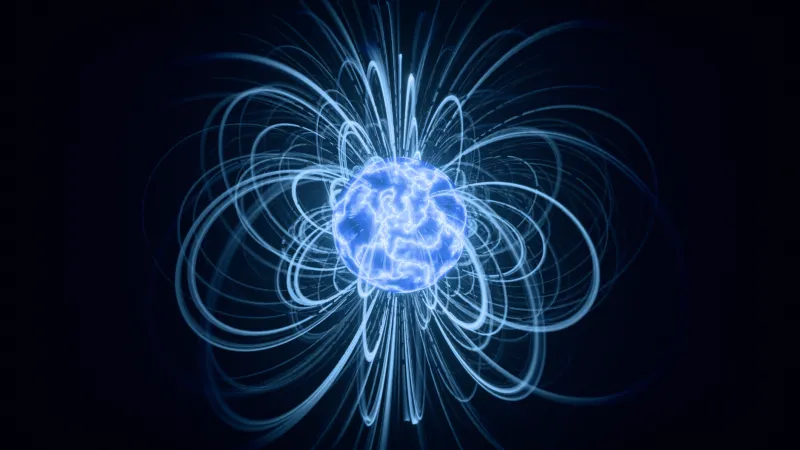
Dead Stars That Won't Sit Still: The Astonishing Science of Neutron Stars

Dead Stars That Won't Sit Still: The Astonishing Science of Neutron Stars

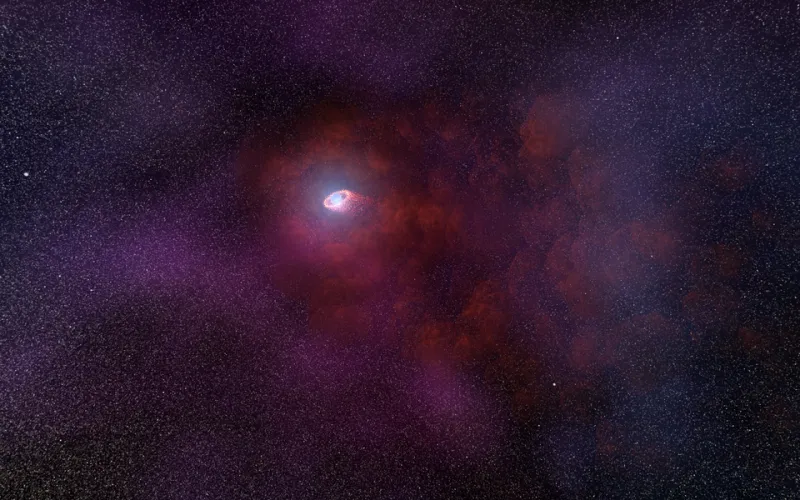
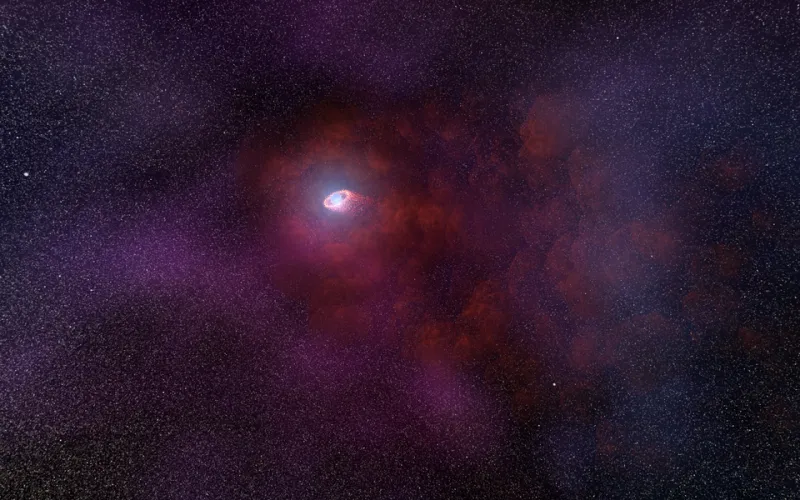
When a massive star dies in a supernova explosion, it sometimes leaves behind a tiny, impossibly dense remnant called a neutron star — and these things are anything but quiet. Spinning hundreds of times per second and packed with more mass than our Sun crammed into a city-sized ball, neutron stars are the universe's most extreme physics labs. Here's why scientists can't stop studying them.

Star Trails Around a Monster: The Wild Orbital Paths Near Supermassive Black Holes

Star Trails Around a Monster: The Wild Orbital Paths Near Supermassive Black Holes

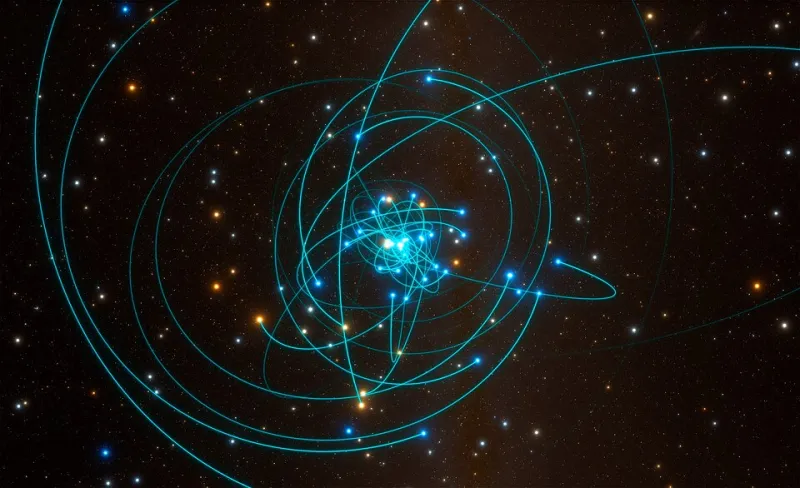
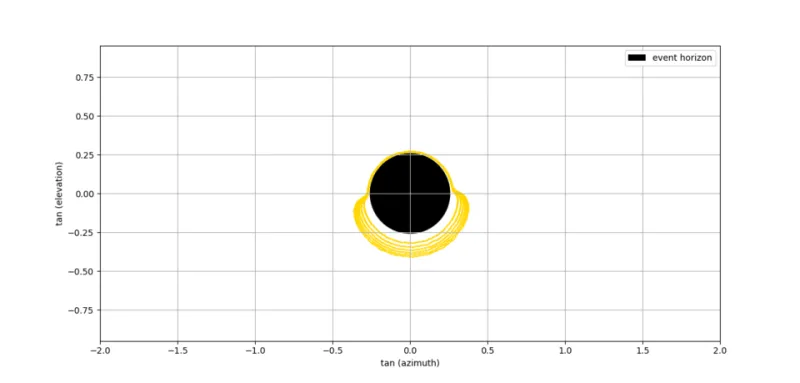
At the heart of our galaxy, stars don't just drift lazily through space — they're locked in dramatic, high-speed loops around an invisible cosmic giant. Astronomers have spent decades mapping these mind-bending orbits, and what they've found confirms some of the wildest predictions in all of physics. Buckle up, because the center of the Milky Way is one seriously intense dance floor.

Planet Hunters on a Roll: How We're Finding New Worlds Faster Than Ever

Planet Hunters on a Roll: How We're Finding New Worlds Faster Than Ever

Just a few decades ago, we had zero confirmed planets beyond our solar system. Today, the count is soaring past 5,500 — and the pace of discovery is only picking up speed. Here's how clever science, powerful telescopes, and a little bit of cosmic geometry are turning up alien worlds at a breathtaking rate.

Gravity's Dance Floor: The Spectacular Science of How Galaxies Move, Merge, and Transform

Gravity's Dance Floor: The Spectacular Science of How Galaxies Move, Merge, and Transform

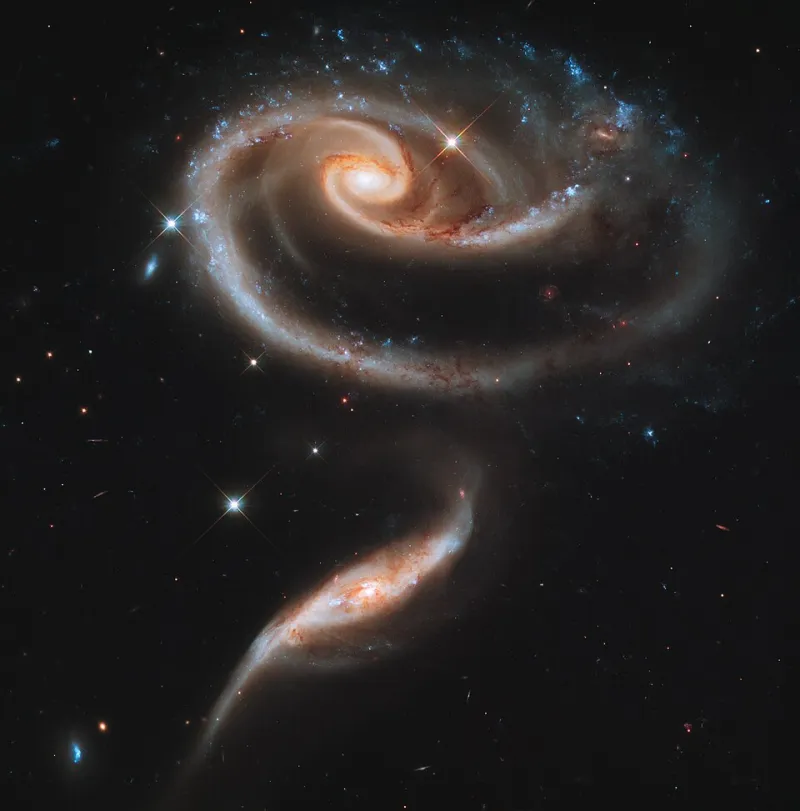
Galaxies aren't just sitting still out there in the dark — they're spinning, drifting, and occasionally crashing into each other in slow-motion cosmic collisions that unfold over millions of years. The forces behind these galactic dances are stranger and more powerful than most of us ever learned in school. Pull up a chair, because the universe's greatest show is happening right now.

Nature's Most Extreme Spinning Objects Are Out There Right Now, Whirling Hundreds of Times a Second

Nature's Most Extreme Spinning Objects Are Out There Right Now, Whirling Hundreds of Times a Second

Somewhere in the galaxy, a dead star no bigger than a city is rotating hundreds of times every second — and it's been doing so with almost perfect precision for millions of years. Neutron stars are the universe's ultimate spinning tops, and the physics behind their mind-bending rotation reveals some of the strangest truths about matter, gravity, and what happens when massive stars die violently.

How the James Webb Space Telescope Is Rewriting Everything We Thought We Knew About the Cosmos

How the James Webb Space Telescope Is Rewriting Everything We Thought We Knew About the Cosmos

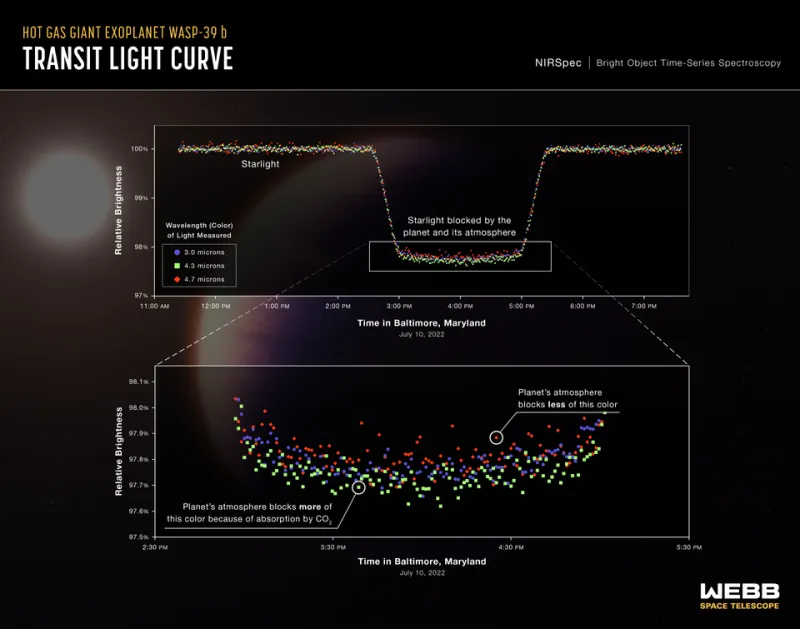
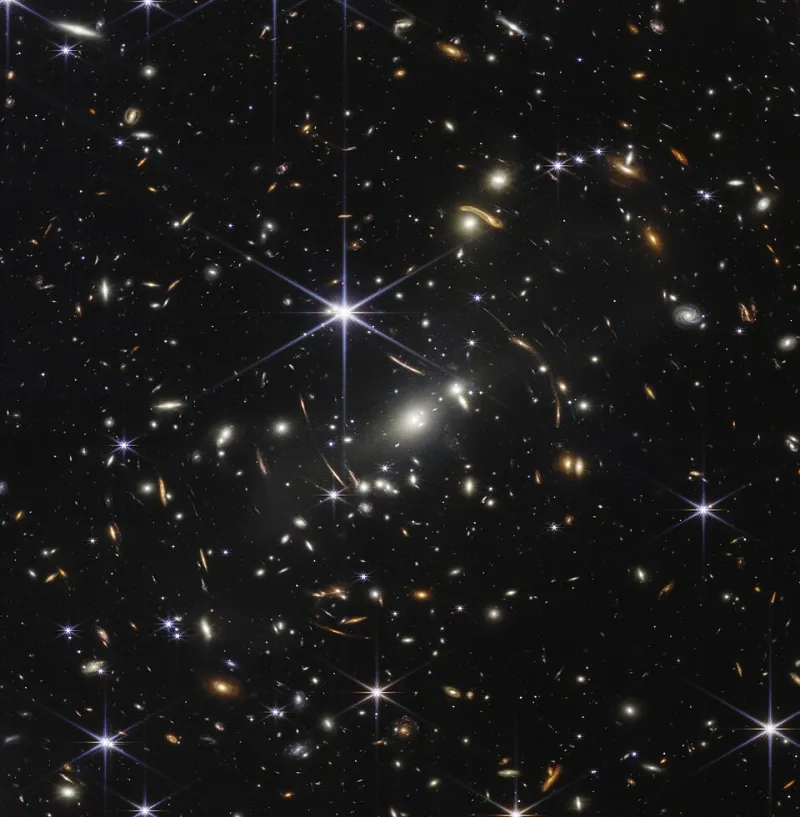
Since its first images dropped in 2022, the James Webb Space Telescope has been quietly dismantling decades of assumptions about how the universe works. From ancient galaxies that shouldn't exist to alien atmospheres hinting at chemistry we never expected, JWST is spinning our understanding of the cosmos into brand-new territory. Here's what it's found — and why scientists are equal parts thrilled and confused.

5 Space Mysteries So Baffling They Keep NASA Scientists Up at Night

5 Space Mysteries So Baffling They Keep NASA Scientists Up at Night

From invisible matter that outweighs everything we can see, to random bursts of radio energy blasting in from across the universe, space is full of phenomena that our best scientists genuinely cannot explain. These five cosmic head-scratchers are the ones that have astronomers reaching for another pot of coffee — and they might just change everything we think we know.